Many homeowners view a chimney sweep as an
optional “nice-to-have” service. In reality, professional cleaning is a vital
safety requirement for any home with a wood-burning or gas appliance. This guide explains
exactly what happens during a professional sweep, what creosote is, and why skipping your
annual appointment is a gamble no homeowner should take.
What Is Creosote—and Why Is
It Dangerous?
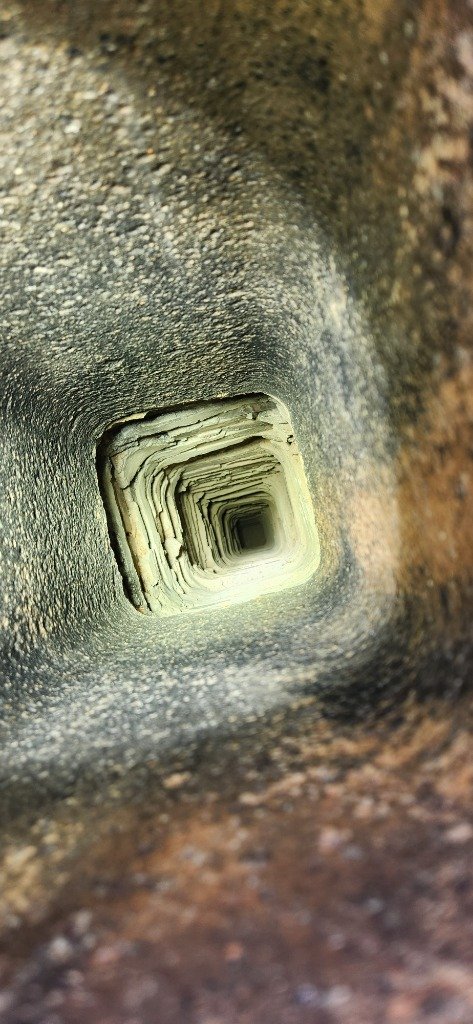
Creosote is a gummy, foul-smelling, and highly flammable byproduct of wood smoke. It
condenses on the cool inner walls of your chimney flue every time you burn wood.
There are three distinct stages:
Stage 1
Dusty /
Flaky
Light soot, easy to
brush away. Routine sweep handles this.
Stage 2
Crunchy /
Tar-Like
Harder to remove.
Requires professional equipment.
Stage 3
Glazed
& Shiny
Extremely dangerous
& hard to remove. High fire risk.
Annual sweeping prevents Stage 1 from ever becoming Stage 3. Even
1/8” of creosote buildup can ignite and cause a full chimney fire.
The Professional Cleaning Process
When our Baltimore Chimneys technicians arrive, we don't just start brushing. We
follow a meticulous, mess-free process every single time:
1
Home Protection
We lay industrial
drop cloths and set up a high-powered HEPA vacuum to ensure not a speck
of soot enters your living room.
2
Level I Visual Inspection
We examine the
firebox, damper, smoke shelf, and accessible flue interior before any
cleaning begins.
3
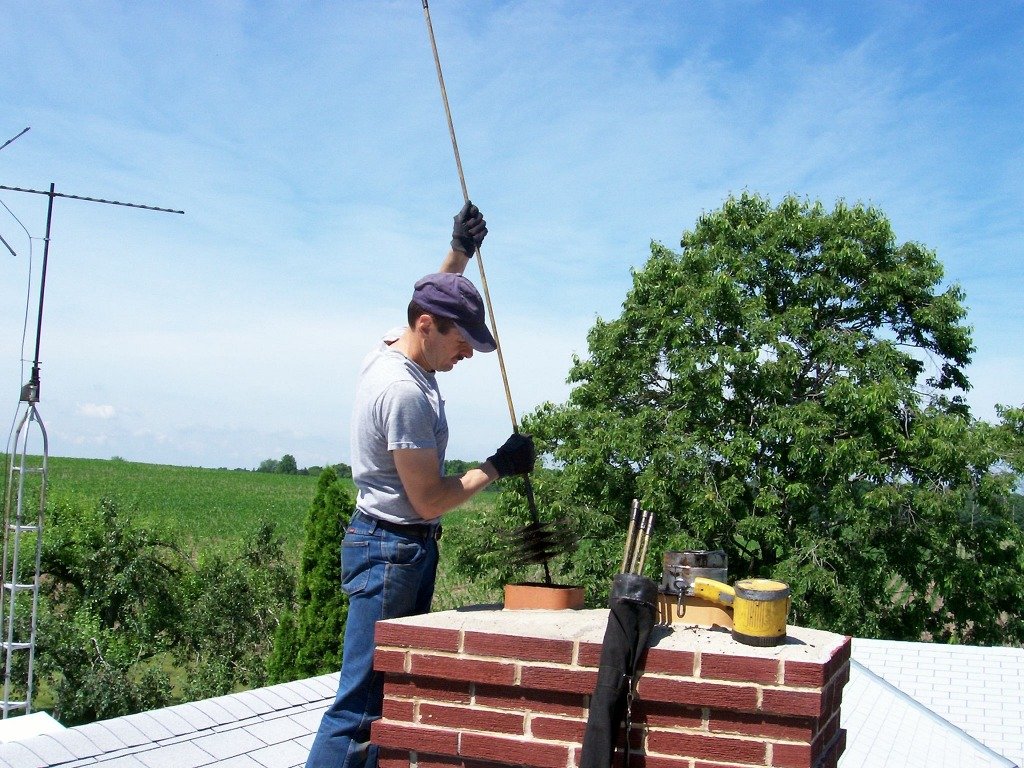
The Sweep
Specialized
brushes sized exactly for your flue scrub the walls from bottom to top
(or top to bottom depending on access), removing all creosote and
soot.
4
Written Condition Report
We provide a full
written report detailing any defects or issues found. No surprises, no
pressure—just honest documentation.
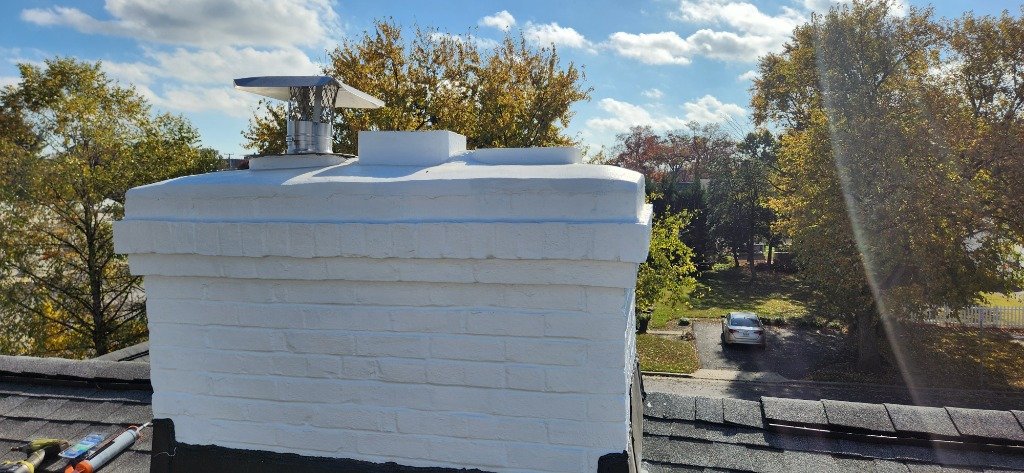
How Often Should You Sweep?
The CSIA and NFPA standard recommendation is once a
year—or after every cord of wood burned for heavy users. Even if
you rarely use your fireplace, an annual inspection is still necessary to check for:
- Bird or animal nests
- Moisture damage or waterlogging
- Seismic or freeze-thaw cracks
- Blockages from debris or leaves