Chimney & Fireplace Safety Inspections
CSIA-certified Level I, II & III inspections protecting Baltimore families from chimney fires, carbon monoxide, and hidden hazards.
Your Family's Safety Is Our Top Priority
At Baltimore Chimneys, we take chimney and fireplace hazards seriously. Hidden dangers like creosote buildup, cracked liners, blockages, or poor venting can lead to devastating chimney fires, carbon monoxide exposure, or deadly vapors.
We also cherish the joy and warmth a fire brings on cold Baltimore winter days. Our goal is to help you enjoy your fireplace or stove safely and efficiently—maximizing comfort while minimizing risk and cost.
Cracked liners allow CO to seep into living areas—a colorless, odorless killer.
Creosote buildup in the flue can ignite with just 1/8” of accumulation.
Undetected leaks from cracked crowns or failed flashing rot framing and drywall.
Birds and raccoons nest in unprotected flues, causing dangerous smoke backup.
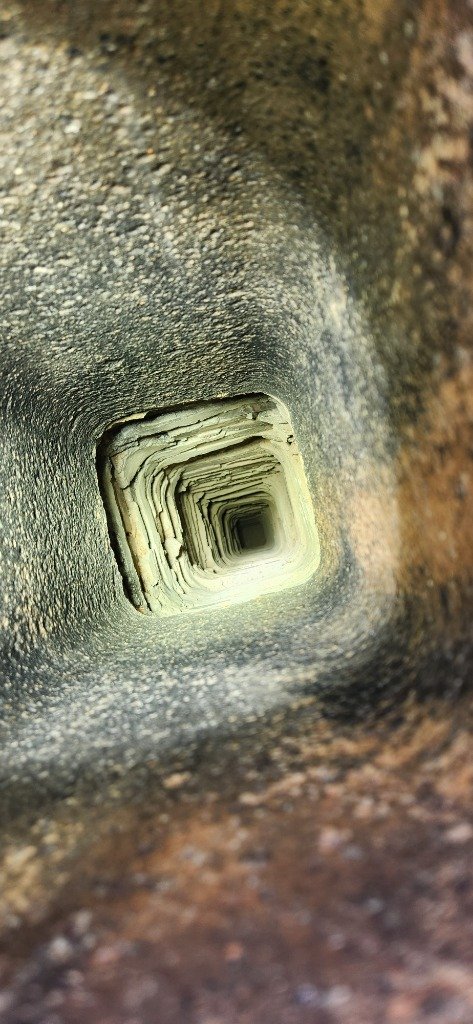
Severe creosote buildup—a leading cause of chimney fires in Baltimore homes
The Three Levels of Chimney Inspection
Per the Chimney Safety Institute of America (CSIA) and NFPA 211 standards, there are three distinct inspection levels. Knowing which one you need is the first step toward a safe home.
Routine Maintenance
Recommended for annual use when your appliance or venting system hasn't changed. We check all readily accessible chimney exterior and interior surfaces.
- Firebox and damper check
- Exterior masonry inspection
- Flue opening examination
Real Estate & Changes
Required upon sale or transfer of property, or after any event like a chimney fire. Includes video scanning technology to inspect the full flue length.
- Full video flue scan
- Attic and crawlspace access
- Appliance change verification
Structural Investigation
Necessary when Levels I or II reveal a major problem requiring access to concealed areas (removing drywall or masonry) to determine the full extent of hazard.
- Hidden area access and assessment
- Structural hazard documentation
- Full written damage report
Homeowner Safety Checklist
Following these best practices between professional inspections keeps your family safe and your fireplace performing efficiently all season long.
Fireplace & Home Heating Fire Safety
Over one-third of Americans heat with fireplaces or wood stoves. Heating equipment fires account for thousands of home fires annually—most are preventable with proper care.
Keep Flues Clean
Annual sweeping removes the creosote buildup that causes 9 out of 10 chimney fires. Don't skip the annual service.
Burn Right Fuels
Only burn seasoned hardwood. Wet or soft wood, trash, and cardboard dramatically increase creosote and toxic emissions.
CO Detectors
Install carbon monoxide detectors on every level. CO is colorless and odorless—detectors are your only warning.
Proper Airflow
Keep air inlets on stoves fully open. Never restrict airflow—this prevents excessive creosote and dangerous backdraft.
Mind the Hearth
Keep a metal mesh screen in place and all combustibles 3 feet away. Never leave a fire burning while you sleep.
Go Professional
Only use CSIA-certified technicians for inspections and cleaning. Certification ensures proper training and accountability.
Safety Inspections & Our Work
What Our Customers Are Saying
Real feedback from Baltimore homeowners who trusted us with their chimney and gutter needs.
“Stanley was able to come out on the same day that I called for a free consultation. He was able to identify the issue with our gutters. He got back to us right away with the issues and an estimate. His estimate was the best from three other companies.”
“Very responsive and did great work installing gutters & gutter guards on our large 3 bay garage.”
“Stanley installed new gutters and downspouts on our house in Reisterstown. He has also worked with us on a few other minor projects. He does great work and has the best prices. I really like his laid back, honest demeanor. Highly Recommend!!!”
“I had another chimney company come out before I called Stanley and they made it seem as though the job was impossible. Stanley came out and reassured me that everything was going to be ok and that the problem wasn’t nearly as serious as the other company made it out to be. He was fair and reasonable in his pricing and even laid out step by step how the work was going to be done.”
“Stan and helper installed chimney liner for a new woodstove insert, insulated liner and connected the stove. They were very professional and courteous, worked hard in bitterly cold weather and took time to ensure project completed to customer’s satisfaction. Fire burns beautifully! Strongly recommend Stan’s work.”
“Stanley, the Owner of Gutters of Baltimore is AWESOME!! His work is superb. Most importantly he’s professional, honest and frankly out of 4 estimates, he had the most and best competitive prices. I would 100% Recommend for all of your gutter needs and some more… Thanks Stanley for the Great Experience!!!”